
Case Study: Optimizing Fermentation with Precise Fluid Management
A biopharmaceutical company faced challenges in their fermentation processes, primarily focusing on maintaining precise control over fluid handling, ensuring consistency, and enhancing efficiency to boost harvest yield while minimizing waste. Precise delivery of five critical fluids—growth media, acids, bases, and anti-foam agents—was essential to prevent dosing errors that could disrupt the fermentation process and affect product quality.
To address these challenges, the company implemented a custom fluid management system incorporating five OEM peristaltic pumps. These pumps were integrated into the fermentation control system, enabling real-time, precise fluid control essential for each stage of the process:
- Media Addition: One pump delivered growth media at a flow rate of 500-1000 mL/min, ensuring the optimal environment for micro-organism growth in the fermentation tanks.
- pH Control: Two pumps handled the precise dosing of acid and base solutions, each with a flow rate of 100-200 mL/min, maintaining the optimal pH balance necessary for effective fermentation.
- Foam Control: A dedicated pump added anti-foam agents at a flow rate of 50-100 mL/min, strategically preventing excessive foaming without overuse.
- Harvesting: The final pump facilitated the efficient transfer of the harvested product at a flow rate of 1000-1500 mL/min, minimizing contamination and maximizing yield.
The integration of peristaltic pumps provided unparalleled control over fluid handling, resulting in consistent fermentation outcomes with fewer deviations and improved product quality. Optimized fluid management significantly reduced waste and increased the overall yield of the fermentation processes, improving profitability and production reliability. The fluid management system's seamless operation minimized downtime, enabling continuous operation with minimal maintenance and boosting productivity. By integrating precise peristaltic pumps into their control system, the company achieved greater consistency, higher yields, and enhanced efficiency, ultimately optimizing their biopharmaceutical production process.


Related Articles

Pump Selection Table and Guide
Aurora Pro Scientific offers full product lines of peristaltic pumps, syringe pumps, gear pumps, micro piston pumps, industrial syringe pumps, diaphragm pumps, centrifugal pumps and piezoelectric micropumps/blowers etc. This article primarily provides an overview of their working principles, pump configuration, performance and selection consideration for our users.

How to Calibrate the Flow Rate of a Peristaltic Metering Pump?
For a specific ID tubing with a certain length, the flow rate of peristaltic pump is proportional to the pump drive speed (RPM) within the linear region of its operation. The actual flow of a peristaltic pump depends on many factors, such as the fluidics properties (viscosity), the way the tubing installation, system hydraulic resistance (fitting, tubing flow resistance), the tubing stiffness and operation time as well fluid temperature. These factors cannot be accounted during factory testing and calibration. The flow rate even changes a little bit after tubing burn-in (first 1-2 hours operation). One can easily notice that the flow rate of a peristaltic pump gets attenuated. Calibrating a peristaltic pump becomes necessarily to ensure accurate dispensing of liquids. The steps can vary based on the specific model and features of your peristaltic pump, but here are general guidelines for calibrating a peristaltic pump with a calibration function.

Peristaltic Metering Pump Types and Their Working Modes
One of the key advantages of peristaltic pumps is their ability to handle delicate and viscous fluids without damaging them. Unlike other types of pumps, the flexible tubing used in peristaltic pumps does not come into contact with the fluid, which means that there is no risk of the fluid being damaged or contaminated. Peristaltic pumps are also known for their reliability and durability. They are simple in design and have few moving parts, which means that they require minimal maintenance and have a long lifespan. They are also able to operate in a wide range of temperatures and environments, making them suitable for use in a variety of industries.
Emerging Research Topics and Trends in the Peristaltic Pump Industry
Peristaltic pumps, known for their precision and versatility, play a crucial role in a wide range of industries, from pharmaceuticals to wastewater treatment. The peristaltic pump industry is currently focusing on several key efforts and hot topics. These trends reflect the industry's commitment to innovation, efficiency, and adaptability to meet evolving demands: Advancements in Materials: There's a significant push towards developing more durable and chemically resistant tubing materials. This is crucial for extending the lifespan of pumps and ensuring they can handle a wider range of fluids, including highly corrosive or viscous substances.
Related Products
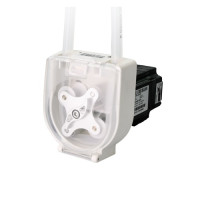
OEM Peristaltic Pump ASP-501 with Servo Motor, Flow Rate 0.3423-6663mL/min
This OEM peristaltic pump (ASP-500 series) can generate flow rates as high as 6663mL/min. The pumps ..
$0.00
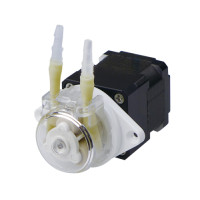
OEM Peristaltic Pump ASP-103 with Stepper Motor, Max Flow Rate 150 mL/min
This OEM peristaltic pump (ASP-103 series) can generate flow rates as high as 150 mL/min. The pumps ..
$0.00

OEM Peristaltic Pump ASP709 Max Flow Rate 530 mL/min, 4 Rollers Low Flow Pulsation
The OEM peristaltic pump (ASP-709OEM) can achieve flow rates up to 530 mL/min and is easily integrat..
$465.00
Tags Sample Preparation, HPLC, Syringe Pump, Analytical Instrument, Flowmeter, Metering Pump