
Guidance for selecting electric rotary valve precision fluidics
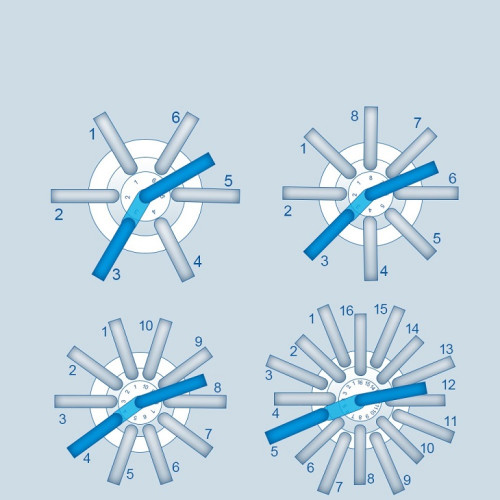
A multi-channel electric rotary valve is a type of valve that is used to control the flow of fluids in precision fluidic systems. It is typically used in applications where precise control of fluid flow is required, such as in the manufacturing of semiconductors or the analysis of biological samples. The basic principle of a rotary valve is that it uses a rotor with multiple channels or openings to control the flow of fluid through a system. The rotor is mounted on a shaft and can be rotated to align the channels with inlet and outlet ports in the valve body. When the channels are aligned with the inlet and outlet ports, fluid can flow through the valve. When the channels are not aligned with the inlet and outlet ports, the flow of fluid is blocked.
In a multi-channel electric rotary valve, the rotor is typically controlled by an electric motor, which allows for precise control of the rotation of the rotor and the alignment of the channels with the inlet and outlet ports. This allows the flow of fluid to be precisely controlled and metered in the system.
Multi-channel electric rotary valves are commonly used in a wide range of applications, including the delivery of gases and liquids in chemical processing and manufacturing, the analysis of biological samples in laboratory settings, and the control of flow in pneumatic and hydraulic systems. They are particularly useful in applications where precise control of fluid flow is required, as they can be easily controlled and fine-tuned using electrical signals.
When selecting electric rotary valve precision fluidics, there are a few key factors to consider in order to ensure the best performance and reliability.
- First, it is important to choose a valve with a high degree of precision in order to accurately control the flow of fluid. This can be measured in terms of the valve's resolution, which is the smallest increment of flow that can be controlled by the valve. High-resolution valves are typically more expensive, but they offer greater control and accuracy.
- Another important factor to consider is the operating temperature range of the valve. The valve should be able to function within the temperature range of the fluid being controlled, as well as any external temperature changes that may occur.
- It is also important to consider the type of fluid being controlled, as some fluids may be more difficult to control than others. For example, fluids with high viscosity may require a valve with a higher torque rating in order to overcome the resistance of the fluid.
- Finally, it is important to choose a valve with a durable and reliable design. This can be achieved through careful material selection, as well as thorough testing and quality control.
Overall, when selecting electric rotary valve precision fluidics, it is important to carefully consider the application and the specific requirements in order to choose the best valve for the job. If you have any questions or need helps, please feel free to reach out to us at sales at auroraprosci dot com.
Related Articles

Practical Fluidic Interface Guide for Electric Rotary Valves in Laboratory Automation
The electric rotary or multi-channel switching valve is a stepper motor-driven fluid handling valve designed for automated fluidics applications. This precise rotary valve automates the routing of fluidic volumes, allowing for the handling of aggressive fluids and switching flow directions as needed. For instance, in a multi-channel distribution valve, a common central port connects the stator and rotator, enabling the switching of flow direction between different ports with a rapid response time of less than 120ms for adjacent ports. This switching valve can communicate through RS-232, RS-485, or CAN interfaces, allowing for multi-valve arrangements of up to 15 valves in one group. See Figure 1 for the wiring instruction. It supports group control and individual addressing, making it versatile for various automation needs. The wetted materials in the flow path are PCTFE/Sapphire and can be customized upon request.
Related Products

Electrical Rotary Valve, 16 Ports, Orifice size 1.0 mm, Max. Pressure 1.5 MPa
Electric rotary or selector valve is a stepper motor driven fluid handling valve designed for fluid ..
$1,506.25
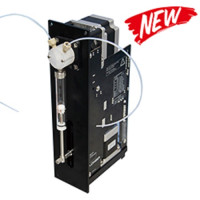
Industrial Syringe Pump SP1-CX, Flow Rate 0.0025-1250ml/min
SP1-CX is a compact OEM pump module designed to handle precision liquid handling application. The ap..
$1,289.99
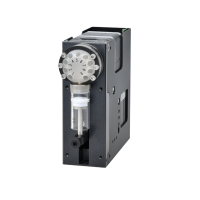
Industrial Syringe Pump ASP-SY01 Integrated with Electrical Rotary Valve, Max Stroke 30 mm
ASP-SY-01 is a compact OEM pump module designed to handle precision liquid handling application. The..
$0.00
Tags Sample Preparation, Drug Delivery, Reagent Injection, Cell Culture, Point-of-care testing (POCT), In vitro diagnostics (IVD)