
How to Run Preventive Maintenance on Peristaltic Pump Tubing to Extend its Life
The life of peristaltic pump tubing is determined by many factors, such as pump speed (RPM), system pressure, fluid temperature, tubing material, tubing wall thickness, environment temperature and peristaltic pump roller number etc. Peristaltic pump head (6 rollers) and Brand A tubing with inner diameter of 1.6 mm was used to test the dispensing volume with time at room temperature (22℃) and sea level pressure condition. The testing procedure is as follows for reference only:
Test Equipment and Materials
- Precision balance with resolution of 0.001mg
- Peristaltic Pump Head (DG-4) with 6 rollers
- Brand A tubing
- Flow-through weight set
- Silicone tubing for connection
- Dispense nozzle Stainless Steel 316
- Tubing fittings and clamps
- Filling stand
- DI water
- LabVIEW software
Test Procedure
- Obtain four samples of brand A tubing, each with a length of 65mm, and install them into pump heads.
- Connect the inlet/outlet silicone tubing to the brand A tubing installed in the pump heads.
- Attach the stainless steel reducer nozzle to the outlet of the silicone tubing.
- Set the pump speed on the peristaltic pump drive to 50 RPM and the dispensing duration to 2.4 seconds.
- Collect data by measuring the dispensing volume every 2 seconds for 11 cycles. Calculate the inaccuracy/precision.
- Keep the pump running continuously and collect data every 24 hours by repeating steps 5 and 6.
- Stop the testing after a total continuous operation of 1122 hours.
- Plot the dispense volumes with time (see Figure 1)

Figure 1. Peristaltic Pump Dispensing Volume Analysis with Time (Reference Only)
Preventive maintenance is crucial to extend the life of peristaltic pump tubing and ensure optimal performance. Here are some general steps you can take to maintain peristaltic pump tubing:
- Regular Inspection:
- Visually inspect the tubing regularly for signs of wear, cracks, or deformities.
- Check for any chemical or abrasive damage that may be affecting the tubing material.
- Replace Tubing Regularly:
- Peristaltic pump tubing has a finite lifespan, and regular replacement is essential.
- Follow the manufacturer's recommendations for tubing replacement intervals.
- If you notice any signs of wear or degradation during routine inspections, replace the tubing promptly.
- Proper Tubing Material Selection:
- Choose tubing material that is compatible with the fluids being pumped.
- Different materials have varying resistance to chemicals, abrasion, and temperature. Select the appropriate material for your application.
- Clean the Pump Head:
- Regularly clean the pump head to prevent the buildup of residue and contaminants.
- Follow the manufacturer's guidelines for cleaning procedures.
- Flush the Tubing:
- After each use, flush the tubing with a compatible cleaning solution to remove any residual material.
- This is particularly important when pumping corrosive or abrasive substances.
- Avoid Dry Running:
- Ensure that the pump is always primed before operation to prevent dry running.
- Dry running can cause excessive wear on the tubing and reduce its lifespan.
- Maintain Proper Tube Compression:
- Check and adjust the tube compression regularly according to the manufacturer's recommendations.
- Incorrect tube compression can lead to premature wear and affect pump performance.
- Monitor Pump Performance:
- Regularly check the pump's flow rate and performance.
- Any deviations from the expected performance may indicate an issue with the tubing or pump head.
- Train Operators:
- Proper training of pump operators is essential to ensure correct usage and maintenance procedures are followed.
- Educate operators about the importance of preventive maintenance and early detection of issues.
- Documentation:
- Keep detailed records of maintenance activities, including tubing replacements, cleanings, and inspections.
- Use these records to establish trends and plan future maintenance schedules.
- Environmental Considerations:
- Protect the pump from extreme temperatures, UV exposure, and other environmental factors that can contribute to tubing degradation.
Always refer to and follow the manufacturer's guidelines and documentation including the safety datasheet and best practice for specific maintenance instructions related to your peristaltic pump model. Following these preventative maintenance practices will help to extend the life of the tubing and ensure the reliable performance of the peristaltic pump. IF you have any questions on how to characterize a peristaltic pump or design your filling or dispensing system, please feel free to reach out to us.

Related Articles

Peristaltic Pump Tubing Selection Guide
Peristaltic pumps are typically used to pump sterile or aggressive fluids without exposing those fluids to contamination from exposed pump components. They are self-priming, reversible and highly reliable. Also, peristaltic pumps are suitable for applications where isolation of the product from environment is critical, such as pumping abrasives, corrosive or/and viscous fluids. There are a wide variety of applications of peristaltic pumps listed but not limited: Medicine: Dialysis machine/medical infusion pumps, blood transfusion ; Testing and research: Auto-analyzer , analytical chemistry experiments, media dispensers; Chemical handling: Pharmaceutical production, dosing systems etc.

Peristaltic pump selection guide and tips, applications
A peristaltic pump is a type of mechanical pump that uses rotating rollers to compress and move a flexible tube or hose, which creates suction and propels the liquid or fluid contained in the hose. This type of pump is commonly used in a variety of industries due to its ability to handle delicate and viscous fluids, as well as its ability to operate in a variety of conditions and environments.

How to Calibrate the Flow Rate of a Peristaltic Metering Pump?
For a specific ID tubing with a certain length, the flow rate of peristaltic pump is proportional to the pump drive speed (RPM) within the linear region of its operation. The actual flow of a peristaltic pump depends on many factors, such as the fluidics properties (viscosity), the way the tubing installation, system hydraulic resistance (fitting, tubing flow resistance), the tubing stiffness and operation time as well fluid temperature. These factors cannot be accounted during factory testing and calibration. The flow rate even changes a little bit after tubing burn-in (first 1-2 hours operation). One can easily notice that the flow rate of a peristaltic pump gets attenuated. Calibrating a peristaltic pump becomes necessarily to ensure accurate dispensing of liquids. The steps can vary based on the specific model and features of your peristaltic pump, but here are general guidelines for calibrating a peristaltic pump with a calibration function.

Peristaltic Metering Pump Types and Their Working Modes
One of the key advantages of peristaltic pumps is their ability to handle delicate and viscous fluids without damaging them. Unlike other types of pumps, the flexible tubing used in peristaltic pumps does not come into contact with the fluid, which means that there is no risk of the fluid being damaged or contaminated. Peristaltic pumps are also known for their reliability and durability. They are simple in design and have few moving parts, which means that they require minimal maintenance and have a long lifespan. They are also able to operate in a wide range of temperatures and environments, making them suitable for use in a variety of industries.

High Protection Metering Pumps: The Ultimate Solution for Waterproof Applications
In industrial settings, the need for reliable and durable equipment is paramount. Aurora ProSci's range of high protection metering pumps, including the HP300, HP350, HPM350, and HPM150 series, exemplify cutting-edge technology designed to thrive in the harshest environments. These pumps feature robust construction, IP67 waterproof and dustproof ratings, and advanced control mechanisms, ensuring consistent performance and longevity.

Diaphragm Pumps vs. Peristaltic Metering Pumps
Pumps play a crucial role in various industries, from chemical processing to pharmaceuticals, food and beverage production, and water treatment. Two common types of metering pumps used in these applications are diaphragm pumps and peristaltic pumps. While both serve the purpose of moving fluids with precision, they operate on different principles and offer distinct advantages and disadvantages. This article will delve into the key differences between diaphragm pumps and peristaltic metering pumps, including their use in medical applications.
Emerging Research Topics and Trends in the Peristaltic Pump Industry
Peristaltic pumps, known for their precision and versatility, play a crucial role in a wide range of industries, from pharmaceuticals to wastewater treatment. The peristaltic pump industry is currently focusing on several key efforts and hot topics. These trends reflect the industry's commitment to innovation, efficiency, and adaptability to meet evolving demands: Advancements in Materials: There's a significant push towards developing more durable and chemically resistant tubing materials. This is crucial for extending the lifespan of pumps and ensuring they can handle a wider range of fluids, including highly corrosive or viscous substances.
Related Products
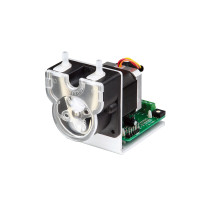
OEM Peristaltic Pump Max Flow Rate 170 mL/min T100 & JY15-12 Series
This OEM peristaltic pump (T100 & JY15-12 series) can generate flow rates as high as 170 mL/min...
$0.00
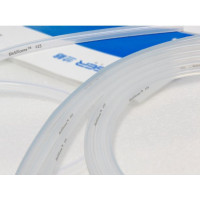
Peristaltic Pump Silicone Tubing, BioSilicone™ for Pharmaceutical Processing (NEW Product), Medium Size
This high performance silicone tubing is specially designed and manufactured for GMP pharmaceutical ..
$273.00
Peristaltic Pump Silicone Tubing, Biosicon™ for Pharmaceutical Processing (dPOFLEX Peristaltic Pump)
This high performance silicone tubing is specially designed and manufactured for GMP pharmaceutical ..
$340.00
Tags Sample Preparation, Drug Delivery, Cell Culture, Centrifuge, Mixing, Metering Pump, Peristaltic Pump