
Peristaltic pump selection guide and tips, applications
A. Peristaltic pump applications
A peristaltic pump is a type of mechanical pump that uses rotating rollers to compress and move a flexible tube or hose, which creates suction and propels the liquid or fluid contained in the hose. This type of pump is commonly used in a variety of industries due to its ability to handle delicate and viscous fluids, as well as its ability to operate in a variety of conditions and environments.
One of the primary applications of peristaltic pumps in industry is in the medical field. These pumps are often used to deliver precise amounts of medication or nutrients to patients, as they can be easily controlled and provide accurate flow rates. They are also commonly used in dialysis machines to move blood and dialysis fluid. Peristaltic pumps are also widely used in the food and beverage industry. They are often used in the production of beer, wine, and other alcoholic beverages, where they are used to transfer liquids and control the flow of ingredients during the fermentation process. They are also commonly used in the dairy industry to transfer milk and other dairy products.
Peristaltic pumps are also used in water treatment plants to transfer and mix chemicals, as well as to move water through the filtration process. In the mining industry, peristaltic pumps are used to transfer slurry, a mixture of water and solids, to extract minerals from ore. Peristaltic pumps are also used in the manufacturing industry, where they are used to transfer adhesives, paints, inks, and other viscous materials. They are also commonly used in the automotive industry to transfer lubricants and other fluids.
One of the key advantages of peristaltic pumps is their ability to handle delicate and viscous fluids without damaging them. Unlike other types of pumps, the flexible tubing used in peristaltic pumps does not come into contact with the fluid, which means that there is no risk of the fluid being damaged or contaminated. Peristaltic pumps are also known for their reliability and durability. They are simple in design and have few moving parts, which means that they require minimal maintenance and have a long lifespan. They are also able to operate in a wide range of temperatures and environments, making them suitable for use in a variety of industries.
In conclusion, peristaltic pumps are a versatile and reliable type of mechanical pump that are widely used in a variety of industries, including the medical, food and beverage, water treatment, mining, and manufacturing industries. Their ability to handle delicate and viscous fluids, as well as their reliability and durability, make them an ideal choice for a variety of applications:
- Sauce or juice dispensing in food production
- Sterilized media dispensing ( e.g. sanitizer automatic dispensing as pump varies speeds to ensure accurate dispensing dosage)
- Aspiration of tissue culture medium
- Circulation of cell suspension in fermentation (e.g. gentle pumping action and low shear on the cells to avoid damage on their contents)
- Cosmetic dispensing industry
- Milk pumping
- Medication dispensing (e.g. IV bags)
- Nutrient supply for cultures
- Spray coating dispensing
- Water filtration and treatment
- Reagent aspiration and dispensing (e.g. IVD industry)
- Dispensing glue emulsions
- Transfer of fuels and lubricants (battery manufacturing industry)
B. How to select an appropriate peristaltic pump for low flow rate application
When selecting a peristaltic pump for low flow rate applications, there are several factors to consider, including the viscosity of the liquid being pumped, the pressure and temperature requirements, the size and material of the tubing, and the accuracy and precision of the flow rate.
- One important consideration is the pump's flow rate range. Peristaltic pumps are typically designed for specific flow rate ranges, and choosing a pump with a flow rate range that is too high or too low for your application can result in poor performance and accuracy. To ensure that you select the appropriate pump for your low flow rate application, you should carefully consider the flow rate range of the pump and choose one that is appropriate for your needs.
- Another important consideration is the pump's tubing. Peristaltic pumps use a flexible tubing to move the liquid, and the size and material of the tubing can have a significant impact on the pump's performance. For low flow rate applications, it is important to choose a pump with small-diameter tubing, as this will reduce the amount of liquid that is lost due to tubing slip and ensure that the flow rate remains consistent and accurate. The material of the tubing is also important, as it should be compatible with the liquid being pumped and able to withstand the pressure and temperature requirements of the application. More details on tubing selection guides can be found from this link.
- In addition to these factors, you should also consider the pump's accuracy and precision. For low flow rate applications, it is important to choose a pump that is capable of delivering precise and accurate flow rates, as small variations in flow rate can have a significant impact on the results of your experiments or processes. To ensure that you choose a pump with the necessary accuracy and precision, you should carefully review the specifications of the pump and choose one that meets your requirements.
In conclusion, selecting the appropriate peristaltic pump for low flow rate applications requires careful consideration of several factors, including the flow rate range, tubing size and material, and accuracy and precision of the pump. By considering these factors and choosing a pump that is specifically designed for low flow rate applications, you can ensure that your pump will provide reliable and accurate performance for your specific needs. A peristaltic pump selection table can be referred here for different flow rates.
C. Peristaltic pump user guidelines and tips
A peristaltic pump is a type of pump that uses a rotating roller or shoe to squeeze a tube or hose, causing the material inside the tube to move through the pump. This makes them ideal for handling delicate or viscous fluids, as well as for applications where contamination of the fluid is a concern. Here are some tips for using a peristaltic pump: by following these tips, you can help to ensure that your peristaltic pump operates safely and effectively. Contamination-free pumping makes peristaltic pumps particularly suitable for use in high purity applications:
- Always make sure to check the pump's flow rate and pressure rating before using it, to ensure that it is suitable for the application you are using it for.
- Be sure to use the correct type of tubing for the pump and the fluid you are pumping. Some materials are more resistant to wear and tear, and some are more chemically resistant.
- Before using the pump, make sure to properly prime it by filling the tubing with the fluid you are pumping. This will help to prevent air from being drawn into the pump and causing damage.
- If the pump is not being used for an extended period of time, be sure to drain the tubing and store it in a clean, dry place.
- If you are using the pump to handle hazardous or toxic fluids, be sure to properly label the pump and follow all safety guidelines to prevent accidents.
- Regular maintenance is important to ensure that the pump is operating at peak efficiency. This may include cleaning the pump and checking for wear and tear on the tubing and other parts
Welcome to contact us at sales at aurorapro dot com to customize OEM/ODM peristaltic pumps!

Related Articles

Peristaltic Pump Tubing Selection Guide
Peristaltic pumps are typically used to pump sterile or aggressive fluids without exposing those fluids to contamination from exposed pump components. They are self-priming, reversible and highly reliable. Also, peristaltic pumps are suitable for applications where isolation of the product from environment is critical, such as pumping abrasives, corrosive or/and viscous fluids. There are a wide variety of applications of peristaltic pumps listed but not limited: Medicine: Dialysis machine/medical infusion pumps, blood transfusion ; Testing and research: Auto-analyzer , analytical chemistry experiments, media dispensers; Chemical handling: Pharmaceutical production, dosing systems etc.

How to Calibrate the Flow Rate of a Peristaltic Metering Pump?
For a specific ID tubing with a certain length, the flow rate of peristaltic pump is proportional to the pump drive speed (RPM) within the linear region of its operation. The actual flow of a peristaltic pump depends on many factors, such as the fluidics properties (viscosity), the way the tubing installation, system hydraulic resistance (fitting, tubing flow resistance), the tubing stiffness and operation time as well fluid temperature. These factors cannot be accounted during factory testing and calibration. The flow rate even changes a little bit after tubing burn-in (first 1-2 hours operation). One can easily notice that the flow rate of a peristaltic pump gets attenuated. Calibrating a peristaltic pump becomes necessarily to ensure accurate dispensing of liquids. The steps can vary based on the specific model and features of your peristaltic pump, but here are general guidelines for calibrating a peristaltic pump with a calibration function.

How to Run Preventive Maintenance on Peristaltic Pump Tubing to Extend its Life
Preventive maintenance is crucial to extend the life of peristaltic pump tubing and ensure optimal performance. Here are some general steps you can take to maintain peristaltic pump tubing: Regular inspection, Replace tubing regularly, Proper tubing material selection, Clean the pump head, flush the tubing, Avoid dry running, Maintain proper tubing compression, Monitor pump performance, Train operators, Documentation and Environmental considerations.

Peristaltic Metering Pump Types and Their Working Modes
One of the key advantages of peristaltic pumps is their ability to handle delicate and viscous fluids without damaging them. Unlike other types of pumps, the flexible tubing used in peristaltic pumps does not come into contact with the fluid, which means that there is no risk of the fluid being damaged or contaminated. Peristaltic pumps are also known for their reliability and durability. They are simple in design and have few moving parts, which means that they require minimal maintenance and have a long lifespan. They are also able to operate in a wide range of temperatures and environments, making them suitable for use in a variety of industries.
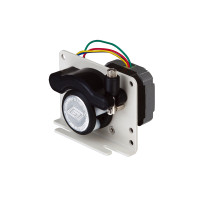
Emerging Research Topics and Trends in the Peristaltic Pump Industry
Peristaltic pumps, known for their precision and versatility, play a crucial role in a wide range of industries, from pharmaceuticals to wastewater treatment. The peristaltic pump industry is currently focusing on several key efforts and hot topics. These trends reflect the industry's commitment to innovation, efficiency, and adaptability to meet evolving demands: Advancements in Materials: There's a significant push towards developing more durable and chemically resistant tubing materials. This is crucial for extending the lifespan of pumps and ensuring they can handle a wider range of fluids, including highly corrosive or viscous substances.
Related Products
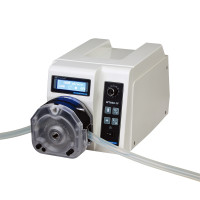
Peristaltic Pump Dispensing Volume 0.1 mL-99.9 L Maximum Flow Rate 6000 mL/min Maximum 3 Channels -WT600-1F
This dispensing peristaltic pump can generate 0.1 mL - 99.9 L dispensing volumes at adjustable flow ..
$1,980.00
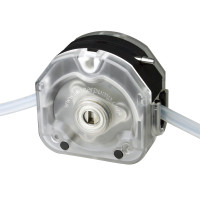
Peristaltic Pump Head, Polycarbonate Housing, Flow Rate ≤6000 mL/min -KZ25
This series of Peristaltic Pump heads (KZ25) uses stainless steel rotors, transpar..
$514.00
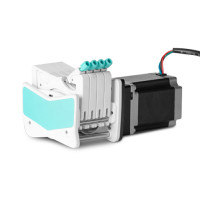
OEM Multi-Channel Peristaltic Pump ASP-707 with Stepper Motor, Flow Rate 0.0002-65mL/min
This OEM multichannel peristaltic pump (ASP-700 series) can generate flow rates as high as 65m..
$0.00
Tags Sample Preparation, Drug Delivery, Reagent Injection, Cell Culture, Point-of-care testing (POCT), In vitro diagnostics (IVD)