
Syringe Replacement Procedure for Efficient Fluid Handling in Pump Systems
The ASP-SY0360 is a compact OEM industrial syringe pump module designed for precision liquid handling applications. This syringe pump can communicate through RS-232, RS-485, or CAN interfaces, allowing for multi-pump arrangements of up to 15 pumps in one group. It supports group control and individual addressing, making it versatile for various automation needs.
This pump is ideal for tasks such as auto pipetting, sample dilution or mixing, and sample dispensing in analytical instruments. Industrial syringe pumps find wide application in analytical instruments, including precision liquid handling or delivery, pharmaceutical industry, microfluidics systems, integration with analytical instruments for sample preparation, auto sampling for in vitro diagnostics (IVD), flow injection systems, ammonia nitrogen analyzers, and other precision metering applications such as mass spectrometers and flow cytometers.
The wetted materials in the flow path are borosilicate glass, PTFE, and PCTFE/Sapphire, and can be customized upon request. The pump can accept different sizes of glass syringes from 25µL to 25mL, enabling syringe replacement. For the syringe replacement procedure and more details, please refer to the follow steps or contact our product specialist for assistance.
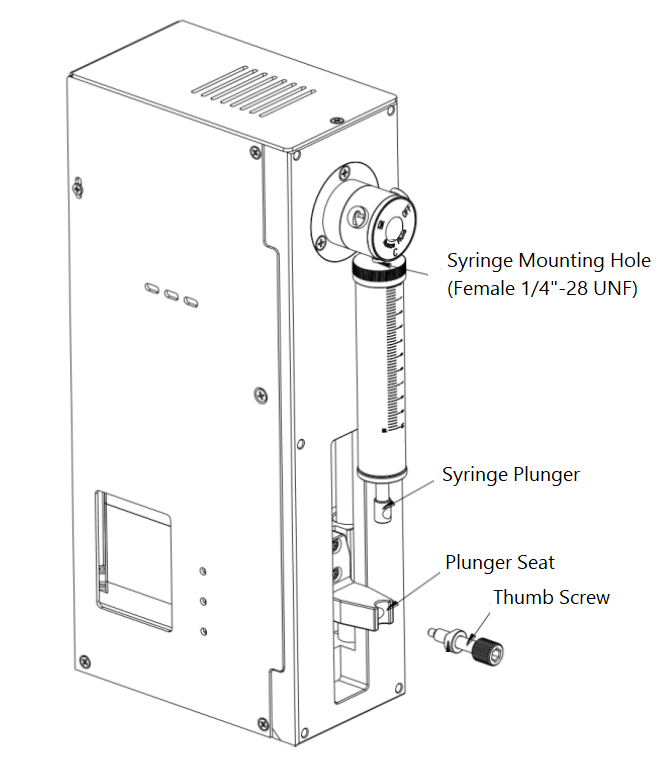
Figure 1 ASP-SY0360 Industrial Syringe Pump Configuration
Step 1: Empty the syringe and flow path, and disconnect all fittings and tubing.
Step 2: Unscrew the Thumb Screw using the M4 Allen wrench provided in the original package.
Step 3: Send the following ASCII commands to the pump to initialize the pump and valve: /1ZR, /1I1A6000R (Move the Plunger Seat to the maximum stroke to the bottom of the pump)
Step 4: Unscrew the original glass syringe clockwise in the vertical direction, ensuring no damage to the syringe threads on the switching valve port.
Step 5: Pull the plunger in the new glass syringe to its maximum stroke and align the plunger end with the Plunger Seat by aligning the hole. Ensure the plunger is vertically aligned when threaded counterclockwise into the female ¼”-28 hole on the switching valve.
Step 6: Reinitialize and move the Plunger Seat to the home position.
Step 7: Manually move the syringe plunger to the bottom of the syringe and align the hole with the Plunger Seat. Use the Thumb screw to tighten the Plunger Seat and the Plunger of the glass syringe.
Step 8: After installation, reconnect the tubing to the female threaded ports on the switching valve.
Step 9: Run the following ASCII codes: /1ZR, /1I1A6000R, /1A0R (to aspirate 6000 full steps to Port 1 and dispense all liquid back to the beaker). Check for any leakage during aspirate and dispense.
Step 10: If leakage is observed, inspect the flow path and tighten the fittings to avoid further leakage.
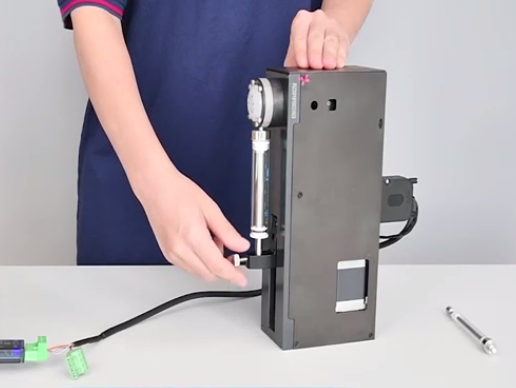
Figure 2. Unscrew the Thumb Screw on the Plunger

Figure 3. Align the Syringe Pump with the Plunger Seat

Related Articles
Syringe Pump Flow Rate Calculation
This digital syringe pump (dLSP500) is designed for precision fluid handling laboratory applications. It accepts syringe size from 0.5uL to 60mL. Let's consider the dLSP500 syringe pump to estimate the flow rate range. This pump has a linear translation speed range of 0.0833mm/min to 180mm/min, with a resolution of 0.03255µm/µstep. Table 1, 2, and 3 list commonly used syringe sizes and their inner diameters. The inner diameter of a 5 mL BD plastic syringe is approximately 11.98 mm. Using this information, we can calculate that the flow rate of the syringe pump ranges from 9.389 µL/min to 20.289 mL/min. The flow rates for other syringe sizes can be calculated in a similar manner. In addition, the average pressures for any syringe pump and syringe together can be estimated by dividing the average force applied on the syringe pump and the syringe surface area.

Syringe Pump Selection Guide
A syringe pump is a device that is used to accurately and precisely dispense small amounts of fluid over a period of time. It typically consists of a control unit that is connected to a motorized pump and a syringe. Syringe pumps work by using a motor to drive a plunger that pushes fluid out of a syringe. The control unit of the pump can be programmed to dispense a specific volume of fluid at a specific flow rate over a specified period of time. The motor moves the plunger at a consistent speed, ensuring that the desired volume of fluid is dispensed at the desired rate. Some syringe pumps also have the ability to reverse the direction of the plunger, allowing them to draw fluid back into the syringe. This feature can be useful for tasks such as flushing a line or emptying a syringe. Syringe pumps are highly accurate and precise, making them an essential tool in a variety of applications.
Industrial Syringe Pump Communication Command Examples (Hexagon Codes)
The ASP-SY0825 is a compact OEM industrial syringe pump module designed for precision liquid handling applications. This new syringe pump can communicate through RS-232, RS-485, or CAN interfaces, allowing for multi-pump arrangements of up to 15 pumps in one group. It supports group control and individual addressing, making it versatile for various automation needs. This pump is ideal for tasks such as auto pipetting, sample dilution or mixing, and sample dispensing in analytical instruments. It is available in three volume options: 5 mL, 12.5 mL, and 25 mL. If you have any questions or require more details, please don't hesitate to reach out to our product specialist.

Practical Fluidic Interface Guide for Electric Rotary Valves in Laboratory Automation
The electric rotary or multi-channel switching valve is a stepper motor-driven fluid handling valve designed for automated fluidics applications. This precise rotary valve automates the routing of fluidic volumes, allowing for the handling of aggressive fluids and switching flow directions as needed. For instance, in a multi-channel distribution valve, a common central port connects the stator and rotator, enabling the switching of flow direction between different ports with a rapid response time of less than 120ms for adjacent ports. This switching valve can communicate through RS-232, RS-485, or CAN interfaces, allowing for multi-valve arrangements of up to 15 valves in one group. See Figure 1 for the wiring instruction. It supports group control and individual addressing, making it versatile for various automation needs. The wetted materials in the flow path are PCTFE/Sapphire and can be customized upon request.

Industrial Syringe Pump Basics: Accuracy/Precision, Resolution and Flow Rate Calculation
The resolution of industrial syringe pumps refers to the smallest increment of movement or volume that the pump can achieve. It is typically specified by the manufacturer and is important for applications requiring precise control over fluid delivery. To calculate the resolution of a syringe pump, you need to know the steps per revolution of the motor (if it's a stepper motor-driven pump) or the linear resolution of the pump mechanism. The linear resolution is usually given in units of distance per step (e.g., mm/step or µm/step). In this article, the basics of typical industrial syringe pumps, namely, the accuracy and precision, resolution and flow rate calculation (stepper motor driven), are briefly reviewed.

Programmable Syringe Pump Application Notes
The dLSP 501W programmable syringe pump stands out as a powerful tool for laboratories and industries that demand precision, reliability, and ease of use. Its comprehensive features and flexible operation modes ensure that researchers can achieve their experimental goals with confidence and accuracy. Whether optimizing chemical reactions, developing cutting-edge microfluidic systems, or advancing medical research, the dLSP 501W is the perfect partner for success. Explore the future of precision fluid handling with this revolutionary syringe pump. Here are the highlights of this innovative device:

Aurora Pro Scientific: Precision Fluid Handling Solutions
Aurora Pro Scientific provides innovative syringe and piston pumps designed for precision fluid handling in laboratory and industrial settings. Our offerings include programmable syringe pumps with touchscreen controls and customizable infusion/withdrawal modes, compact OEM syringe pumps for specialized integration, high-volume piston pumps with solenoid valves for automation, and fixed-volume syringe pumps with integrated glass syringes for accurate dosing. They also feature multi-channel syringe pumps for synchronized, parallel fluid handling, enhancing efficiency and adaptability in diagnostics, research, and automation.
Related Products
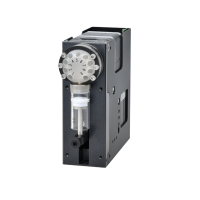
Industrial Syringe Pump ASP-SY01 Integrated with Electrical Rotary Valve, Max Stroke 30 mm
ASP-SY-01 is a compact OEM pump module designed to handle precision liquid handling application. The..
$0.00
-200x200.png "Industrial Syringe Pump ASP-SY03 Integrated with Electrical Rotary Valve, Max Stroke 60 mm")
Industrial Syringe Pump ASP-SY03 Integrated with Electrical Rotary Valve, Max Stroke 60 mm
ASP-SY-03 is a compact OEM pump module designed to handle precision liquid handling application. The..
$0.00
Industrial Syringe Pump Integrated with Glass Syringe, Single Channel and 30mm Stroke
This compact OEM industrial syringe pump module is designed for precise liquid handling applications..
$0.00
Tags Sample Preparation, HPLC, Syringe Pump, Analytical Instrument