
Vacuum Pressure Conversion Charts (Absolute and Relative)
Perfect vacuum or 100% vacuum is a zero reference pressure. In practice, a perfect vacuum is impossible to obtain. The two tables below are for reference only when selecting vacuum pump related products. It is the sole responsibility of users who uses these tables to select their products. Any improper selection or use of the table may cause any damage or injury. Please consult with your own subject matter expert for advice on how to select appropriate vacuum.
Table 1 Vacuum Pressure Unit Conversion Chart (Absolute)
==========================================================
Vacuum% ATM PSIA Torr in Hg KPa Bar mBar
==========================================================
0.00 1.00 14.70 760.00 29.92 101.33 1.01 1013.25
1.40 0.99 14.49 749.36 29.50 99.91 1.00 999.06
1.90 0.98 14.42 745.56 29.35 99.40 0.99 994.00
3.30 0.97 14.21 734.92 28.93 97.98 0.98 979.81
6.60 0.93 13.73 709.84 27.95 94.64 0.95 946.38
7.90 0.92 13.53 699.96 27.56 93.32 0.93 933.20
9.80 0.90 13.26 685.52 26.99 91.40 0.91 913.95
10.00 0.90 13.23 684.00 26.93 91.19 0.91 911.93
20.00 0.80 11.76 608.00 23.94 81.06 0.81 810.60
25.00 0.75 11.02 570.00 22.44 75.99 0.76 759.94
30.00 0.70 10.29 532.00 20.94 70.93 0.71 709.28
33.00 0.67 9.85 509.20 20.05 67.89 0.68 678.88
35.00 0.65 9.55 494.00 19.45 65.86 0.66 658.61
40.00 0.60 8.82 456.00 17.95 60.80 0.61 607.95
45.00 0.55 8.08 418.00 16.46 55.73 0.56 557.29
50.00 0.50 7.35 380.00 14.96 50.66 0.51 506.63
55.00 0.45 6.61 342.00 13.46 45.60 0.46 455.96
60.00 0.40 5.88 304.00 11.97 40.53 0.41 405.30
61.00 0.39 5.73 296.40 11.67 39.52 0.40 395.17
65.00 0.35 5.14 266.00 10.47 35.46 0.35 354.64
68.00 0.32 4.70 243.20 9.57 32.42 0.32 324.24
70.00 0.30 4.41 228.00 8.98 30.40 0.30 303.98
75.00 0.25 3.67 190.00 7.48 25.33 0.25 253.31
80.00 0.20 2.94 152.00 5.98 20.27 0.20 202.65
85.00 0.15 2.20 114.00 4.49 15.20 0.15 151.99
87.00 0.13 1.91 98.80 3.89 13.17 0.13 131.72
88.00 0.12 1.76 91.20 3.59 12.16 0.12 121.59
89.00 0.11 1.62 83.60 3.29 11.15 0.11 111.46
90.00 0.10 1.47 76.00 2.99 10.13 0.10 101.33
92.00 0.08 1.18 60.80 2.39 8.11 0.08 81.06
93.00 0.07 1.03 53.20 2.09 7.09 0.07 70.93
95.00 0.05 0.73 38.00 1.50 5.07 0.05 50.66
96.60 0.03 0.50 25.84 1.02 3.45 0.03 34.45
97.40 0.03 0.38 19.76 0.78 2.63 0.03 26.34
98.70 0.01 0.19 9.88 0.39 1.32 0.01 13.17
100.00 0.00 0.00 0.00 0.00 0.00 0.00 0.00
==========================================================
Unit: kPa = bar x 100; mbar = bar x 1000;
Table 2 Vacuum Pressure Unit Conversion Chart (Relative)- Gauge
==========================================================
Vacuum% ATM PSIG Torr in Hg KPa Bar mBar
==========================================================
0.00 1.00 0.00 0.00 0.00 0.00 0.00 0.00
1.40 0.99 0.21 -10.64 -0.42 -1.42 -0.01 -14.19
1.90 0.98 0.28 -14.44 -0.57 -1.93 -0.02 -19.25
3.30 0.97 0.48 -25.08 -0.99 -3.34 -0.03 -33.44
6.60 0.93 0.97 -50.16 -1.97 -6.69 -0.07 -66.87
7.90 0.92 1.16 -60.04 -2.36 -8.00 -0.08 -80.05
9.80 0.90 1.44 -74.48 -2.93 -9.93 -0.10 -99.30
10.00 0.90 1.47 -76.00 -2.99 -10.13 -0.10 -101.33
20.00 0.80 2.94 -152.00 -5.98 -20.27 -0.20 -202.65
25.00 0.75 3.67 -190.00 -7.48 -25.33 -0.25 -253.31
30.00 0.70 4.41 -228.00 -8.98 -30.40 -0.30 -303.98
33.00 0.67 4.85 -250.80 -9.87 -33.44 -0.33 -334.37
35.00 0.65 5.14 -266.00 -10.47 -35.46 -0.35 -354.64
40.00 0.60 5.88 -304.00 -11.97 -40.53 -0.41 -405.30
45.00 0.55 6.61 -342.00 -13.46 -45.60 -0.46 -455.96
50.00 0.50 7.35 -380.00 -14.96 -50.66 -0.51 -506.63
55.00 0.45 8.08 -418.00 -16.46 -55.73 -0.56 -557.29
60.00 0.40 8.82 -456.00 -17.95 -60.80 -0.61 -607.95
61.00 0.39 8.96 -463.60 -18.25 -61.81 -0.62 -618.08
65.00 0.35 9.55 -494.00 -19.45 -65.86 -0.66 -658.61
68.00 0.32 9.99 -516.80 -20.35 -68.90 -0.69 -689.01
70.00 0.30 10.29 -532.00 -20.94 -70.93 -0.71 -709.28
75.00 0.25 11.02 -570.00 -22.44 -75.99 -0.76 -759.94
80.00 0.20 11.76 -608.00 -23.94 -81.06 -0.81 -810.60
85.00 0.15 12.49 -646.00 -25.43 -86.13 -0.86 -861.26
87.00 0.13 12.79 -661.20 -26.03 -88.15 -0.88 -881.53
88.00 0.12 12.93 -668.80 -26.33 -89.17 -0.89 -891.66
89.00 0.11 13.08 -676.40 -26.63 -90.18 -0.90 -901.79
90.00 0.10 13.23 -684.00 -26.93 -91.19 -0.91 -911.93
92.00 0.08 13.52 -699.20 -27.53 -93.22 -0.93 -932.19
93.00 0.07 13.67 -706.80 -27.83 -94.23 -0.94 -942.32
95.00 0.05 13.96 -722.00 -28.43 -96.26 -0.96 -962.59
96.60 0.03 14.20 -734.16 -28.90 -97.88 -0.98 -978.80
97.40 0.03 14.31 -740.24 -29.14 -98.69 -0.99 -986.91
98.70 0.01 14.50 -750.12 -29.53 -100.01 -1.00 -1000.08
100.00 0.00 14.70 -760.00 -29.92 -101.33 -1.01 -1013.25
==========================================================
Unit: kPa = bar x 100; mbar = bar x 1000;
Two charts can be found below in Figure 1 and Figure 2. At 40% Vacuum, the absolute vacuum pressure reads 17.95 in Hg while the absolute vacuum pressure is about 5.98 in Hg at 80% vacuum. Similarly in Figure 2, the gauge vacuum pressure is relative to atmosphere pressure (29.92 in Hg). Thus, at 40% vacuum, we can directly subtract the atmosphere pressure (22.9 in Hg) from the absolute pressure ( 17.95 - 29.92 = -11.97 in Hg gauge). At 80% vacuum, the relative vacuum can be calculated in the same way (5.98 - 29.92 = - 23.94 in Hg gauge).


Related Articles

Vacuum Pump Selection Guide, Use Tips and their Applications
A vacuum pump is a mechanical device that is used to create a vacuum by removing gas molecules from a sealed volume in order to create vacuum. There are several types of vacuum pumps available, each with its own set of features and capabilities. Some common types of vacuum pumps include: rotary vane pumps, diaphragm pumps, piston pumps, scroll umps and diffusion pumps.

Laboratory Vacuum Filtration System Introduction
The Laboratory Vacuum Filtration System emerges as a versatile and indispensable tool, excelling in precise separation and filtration processes. Operating on the principle of creating a pressure differential across the filter medium by evacuating the air beneath it, this innovative system significantly enhances filtration rates. Intricately designed, the vacuum filtration system optimizes procedures for isolating solids from liquid samples, separating precipitates from solutions, and preparing samples for comprehensive analyses.

Introduction of Programmable Spin Coater
A programmable spin coater is a laboratory instrument used in the deposition of thin films onto substrates through a process called spin coating. Spin coating is a widely used technique in the fields of material science and microfabrication to create thin and uniform films of various materials, such as polymers, metals, and ceramics, on a substrate.

Practical Tips and Considerations When Using Vacuum Pumps in Spin Coater
The vacuum pump in a spin coater is typically used to remove air from the space between the substrate and the chuck, ensuring good contact and adhesion between the substrate and the coating material. The vacuum helps to eliminate air pockets and enhance the uniformity of the coating. Here's a general guide on how to use the vacuum pump in a spin coater and the practical tips and considerations.
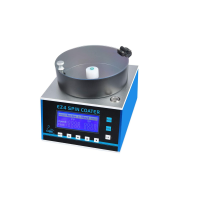
Programmable Spin Coater Preventative Maintenance
When using a programmable spin coater, it's important to follow certain precautions to ensure safety, optimal performance, and longevity of the equipment. Additionally, regular preventative maintenance is crucial to address wear and tear, prevent malfunctions, and prolong the life of the spin coater. Here are some general precautions and preventative maintenance guidelines:

Laboratory Vacuum Filtration Apparatus Basics
Vacuum filtration is a critical technique applied in laboratories and industrial processes for the separation of solids from liquids through the use of reduced pressure. Widely utilized in fields such as chemistry, biology, the pharmaceutical industry, and environmental analysis, this method efficiently removes particles, clarifies solutions, and isolates precipitates or solid residues. Also known as negative pressure filtration, its fundamental principle involves creating negative pressure beneath the membrane, leveraging the pressure differential to accelerate liquid flow and achieve effective solid-liquid separation. A typical vacuum filtration setup includes the following components.

Vacuum Manifold Introduction
The Vacuum Manifolds have been specifically designed to enhance the efficiency of high-throughput processes such as nucleic acid purification, solid phase extraction, protein precipitation, Oligo synthesis, and various other applications. These manifolds are tailored to accommodate 48/96/384 well plates and Luer-inlet columns, streamlining procedures by eliminating the need for repetitive pipetting and centrifugation inherent in traditional nucleic acid extraction methods.
Related Products

Miniature Diaphragm Pump Compressor, Max. Flow Rate 12 L/min & 22InHg, Brushless DC Motor
This miniature diaphragm pump is based on a DC motor that drives a connecting rod to oscillate an el..
$98.99

Biocomma Solid Phase Extraction (SPE) Vacuum Manifolds, 12 Ports
The SPE vacuum manifolds are designed to process 12 or 24 samples in parallel. As a tool used ..
$576.80 $640.98

Laboratory Stainless Steel 316 Vacuum Filtration System, Including Vacuum Pump, Vacuum Manifold, Receiving Bottle and Vacuum Trap
Laboratory vacuum filtration finds widespread application in tasks such as the separation of precipi..
$1,367.12
Tags Sample Preparation, Drug Delivery, Cell Culture, Vacuum Pump