
Syringe Selection Guide for Programmable Syringe Pumps
Syringe pumps are devices that accurately and precisely dispense small amounts of fluid over time. They work by using a motor to drive a plunger that pushes fluid out of a syringe. The pump's control unit can be programmed to dispense a specific volume of fluid at a specific flow rate over a specified period of time. The motor moves the plunger at a consistent speed, ensuring that the desired volume of fluid is dispensed at the desired rate. Syringe pumps are user-friendly and easy to operate, and many models have the option to reverse the direction of the plunger (withdrawal mode) to flush a line or empty a syringe.
Syringe pumps can be broadly classified into two categories: laboratory syringe pumps and industrial syringe pumps. The main difference between the two is their intended use and environment.
- Industrial syringe pumps are designed for use in manufacturing or process control environments and are typically more durable and rugged, able to withstand harsh conditions such as vibration, dust, and extreme temperatures. They are also generally more accurate and precise than laboratory syringe pumps, with higher resolution and repeatability.
- Laboratory syringe pumps, on the other hand, are typically used in research and laboratory settings and are designed for more precise, controlled delivery of small volumes of fluids. They may be used in a variety of applications, such as chemical analysis, drug delivery, and sample preparation. They are usually smaller, more portable, and easier to use than industrial syringe pumps. Laboratory syringe pumps may also have additional features such as programmable flow rates and the ability to connect to a computer for data analysis.
- Another difference is the size of the syringes that can be used. Industrial syringe pumps are usually able to accommodate larger syringes (e.g., 50 mL or more) while lab syringe pumps are designed for smaller syringes (e.g., less than 50 mL).
| Syringe manufacturers | Syringe volume | Max. Travel Distance (mm) | Inner Diameter (mm) | Cross-sectional Area (mm^2) |
| Hamilton | 0.5 µL | 60.01 | 0.103 | 0.0083 |
| Hamilton | 1 µL | 59.73 | 0.146 | 0.0167 |
| Hamilton | 2 µL | 60.01 | 0.206 | 0.0333 |
| Hamilton | 5 µL | 54.11 | 0.343 | 0.0924 |
| Hamilton | 10 µL | 54.13 | 0.485 | 0.1847 |
| Hamilton | 25 µL | 59.9 | 0.729 | 0.4174 |
| Hamilton | 50 µL | 60.01 | 1.03 | 0.8332 |
| Hamilton | 100 µL | 59.98 | 1.457 | 1.6672 |
| Hamilton | 250 µL | 59.96 | 2.304 | 4.1694 |
| Popper&sons | 250 µL | 26.74 | 3.45 | 9.3493 |
| SGE | 5 µL | 54.11 | 0.343 | 0.0924 |
| SGE | 10 µL | 54.13 | 0.485 | 0.1847 |
| SGE | 25 µL | 60.06 | 0.728 | 0.4163 |
| SGE | 50 µL | 60.01 | 1.03 | 0.8332 |
| SGE | 100 µL | 59.98 | 1.457 | 1.6672 |
| SGE | 250 µL | 60.02 | 2.303 | 4.1653 |
| Shanghai Gaoge | 0.5 µL | 63.69 | 0.1 | 0.0079 |
| Shanghai Gaoge | 1 µL | 56.62 | 0.15 | 0.0177 |
| Shanghai Gaoge | 2 µL | 63.69 | 0.2 | 0.0314 |
| Shanghai Gaoge | 5 µL | 51.97 | 0.35 | 0.0962 |
| Shanghai Gaoge | 10 µL | 50.93 | 0.5 | 0.1963 |
| Shanghai Gaoge | 25 µL | 49.74 | 0.8 | 0.5026 |
| Shanghai Gaoge | 50 µL | 52.61 | 1.1 | 0.9504 |
| Shanghai Gaoge | 100 µL | 49.74 | 1.6 | 2.0105 |
| Shanghai Gaoge | 250 µL | 60.17 | 2.3 | 4.1549 |
| Unimertrics | 10 µL | 60.17 | 0.46 | 0.1662 |
| Unimertrics | 25 µL | 59.73 | 0.73 | 0.4186 |
| Unimertrics | 50 µL | 60.01 | 1.03 | 0.8332 |
| Unimertrics | 100 µL | 59.73 | 1.46 | 1.6742 |
| Unimertrics | 250 µL | 60.17 | 2.3 | 4.1549 |
Table 2 dLSP 501L Syringe Selection Table
| Syringe manufacturers | Syringe volume | Max. Travel Distance (mm) | Inner Diameter (mm) | Cross-sectional Area (mm^2) |
| Air-Tite | 1000 µL | 57.88 | 4.69 | 17.2771 |
| Becon Dickinson | 1 µL | 59.73 | 0.146 | 0.0167 |
| Becon Dickinson (G) | 500 µL | 29.57 | 4.64 | 16.909 |
| Becon Dickinson (G) | 1000 µL | 59.14 | 4.64 | 16.909 |
| Hamilton | 0.5 µL | 60.01 | 0.103 | 0.0083 |
| Hamilton | 1 µL | 59.73 | 0.146 | 0.0167 |
| Hamilton | 2 µL | 60.01 | 0.206 | 0.0333 |
| Hamilton | 5 µL | 54.11 | 0.343 | 0.0924 |
| Hamilton | 10 µL | 54.13 | 0.485 | 0.1847 |
| Hamilton | 25 µL | 59.9 | 0.729 | 0.4174 |
| Hamilton | 50 µL | 60.01 | 1.03 | 0.8332 |
| Hamilton | 100 µL | 59.98 | 1.457 | 1.6672 |
| Hamilton | 250 µL | 59.96 | 2.304 | 4.1694 |
| Hamilton | 500 µL | 60.05 | 3.256 | 8.3264 |
| Hamilton | 1000 µL | 59.96 | 4.608 | 16.6778 |
| Popper&sons | 250 µL | 26.74 | 3.45 | 9.3493 |
| Popper&sons | 500 µL | 53.49 | 3.45 | 9.3475 |
| Popper&sons | 1000 µL | 62.88 | 4.5 | 15.9033 |
| SGE | 5 µL | 54.11 | 0.343 | 0.0924 |
| SGE | 10 µL | 54.13 | 0.485 | 0.1847 |
| SGE | 50 µL | 60.01 | 1.03 | 0.8332 |
| SGE | 25 µL | 60.06 | 0.728 | 0.4163 |
| SGE | 100 µL | 59.98 | 1.457 | 1.6672 |
| SGE | 250 µL | 60.02 | 2.303 | 4.1653 |
| SGE | 500 µL | 60.01 | 3.257 | 8.3319 |
| SGE | 1000 µL | 60.02 | 4.606 | 16.6611 |
| Shanghai Gaoge | 0.5 µL | 63.69 | 0.1 | 0.0079 |
| Shanghai Gaoge | 1 µL | 56.62 | 0.15 | 0.0177 |
| Shanghai Gaoge | 2 µL | 63.69 | 0.2 | 0.0314 |
| Shanghai Gaoge | 5 µL | 51.97 | 0.35 | 0.0962 |
| Shanghai Gaoge | 10 µL | 50.93 | 0.5 | 0.1963 |
| Shanghai Gaoge | 25 µL | 49.74 | 0.8 | 0.5026 |
| Shanghai Gaoge | 50 µL | 52.61 | 1.1 | 0.9504 |
| Shanghai Gaoge | 100 µL | 49.74 | 1.6 | 2.0105 |
| Shanghai Gaoge | 250 µL | 60.17 | 2.3 | 4.1549 |
| Shanghai Gaoge | 500 µL | 60.27 | 3.25 | 8.2960 |
| Shanghai Gaoge | 1000 µL | 59.91 | 4.61 | 16.6917 |
| Sherwood Monojet | 1000 µL | 58.88 | 4.65 | 16.9837 |
| Terumo | 1000 µL | 56.91 | 4.73 | 17.5716 |
| Unimertrics | 10 µL | 59.73 | 0.46 | 0.1662 |
| Unimertrics | 25 µL | 59.73 | 0.73 | 0.4186 |
| Unimertrics | 50 µL | 60.01 | 1.03 | 0.8332 |
| Unimertrics | 100 µL | 59.73 | 1.46 | 1.6742 |
| Unimertrics | 250 µL | 60.17 | 2.30 | 4.1549 |
| Unimertrics | 500 µL | 59.9 | 3.26 | 8.3472 |
| Unimertrics | 1000 µL | 59.91 | 4.61 | 16.6917 |
| Unimertrics | 1000 µL | 57.15 | 4.72 | 17.4978 |

Related Articles
Syringe Pump Flow Rate Calculation
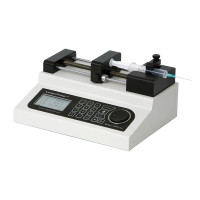
This digital syringe pump (dLSP500) is designed for precision fluid handling laboratory applications. It accepts syringe size from 0.5uL to 60mL. Let's consider the dLSP500 syringe pump to estimate the flow rate range. This pump has a linear translation speed range of 0.0833mm/min to 180mm/min, with a resolution of 0.03255µm/µstep. Table 1, 2, and 3 list commonly used syringe sizes and their inner diameters. The inner diameter of a 5 mL BD plastic syringe is approximately 11.98 mm. Using this information, we can calculate that the flow rate of the syringe pump ranges from 9.389 µL/min to 20.289 mL/min. The flow rates for other syringe sizes can be calculated in a similar manner. In addition, the average pressures for any syringe pump and syringe together can be estimated by dividing the average force applied on the syringe pump and the syringe surface area.
Industrial Syringe Pump Communication Command Examples (Hexagon Codes)
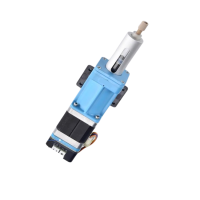
The ASP-SY0825 is a compact OEM industrial syringe pump module designed for precision liquid handling applications. This new syringe pump can communicate through RS-232, RS-485, or CAN interfaces, allowing for multi-pump arrangements of up to 15 pumps in one group. It supports group control and individual addressing, making it versatile for various automation needs. This pump is ideal for tasks such as auto pipetting, sample dilution or mixing, and sample dispensing in analytical instruments. It is available in three volume options: 5 mL, 12.5 mL, and 25 mL. If you have any questions or require more details, please don't hesitate to reach out to our product specialist.

Practical Fluidic Interface Guide for Electric Rotary Valves in Laboratory Automation
The electric rotary or multi-channel switching valve is a stepper motor-driven fluid handling valve designed for automated fluidics applications. This precise rotary valve automates the routing of fluidic volumes, allowing for the handling of aggressive fluids and switching flow directions as needed. For instance, in a multi-channel distribution valve, a common central port connects the stator and rotator, enabling the switching of flow direction between different ports with a rapid response time of less than 120ms for adjacent ports. This switching valve can communicate through RS-232, RS-485, or CAN interfaces, allowing for multi-valve arrangements of up to 15 valves in one group. See Figure 1 for the wiring instruction. It supports group control and individual addressing, making it versatile for various automation needs. The wetted materials in the flow path are PCTFE/Sapphire and can be customized upon request.
Related Products

Syringe Pump Programmable, Flow Rate 0.138 µL/min - 52.94 mL/min, Infusion/Withdrawal, TJP-3A/W0109-1B
This programmable syringe pump (TJP-3A/W0109-1B) is a single channel micro-syringe pump has infusi..
$2,504.20

Electrical Rotary Valve, 16 Ports, Orifice size 1.0 mm, Max. Pressure 1.5 MPa
Electric rotary or selector valve is a stepper motor driven fluid handling valve designed for fluid ..
$1,506.25
Industrial Syringe Pump ASP-SY01 Integrated with Electrical Rotary Valve, Max Stroke 30 mm
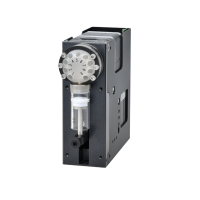
ASP-SY-01 is a compact OEM pump module designed to handle precision liquid handling application. The..
$0.00
Tags Sample Preparation, Drug Delivery, Reagent Injection, Cell Culture, Point-of-care testing (POCT), In vitro diagnostics (IVD)